|
|
|
Original Post By:
Jamie_T
|
Date: 6/25/2009 8:46:43 PM |
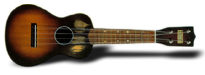
| I had my new Kiwaya bridge split at the A string slot. I've noticed in the classifieds and on e bay that this seems to be a common problem. Any one else having that issue, and is there a fix from Kiwaya??? |
|
|
|
|
|
|
|
|
Posted By:
LoMa
|
Date: 6/26/2009 1:13:13 PM |
I've had many Kiwaya's and never had problem.
I think you should contact Kiwaya or the dealer you bought the uke from and see what they say about fixing it.
Good luck!
|
|
|
|
|
Posted By:
musicguymic
|
Date: 6/26/2009 5:25:14 PM |
| The bridge problem most time was caused by the user changing strings to flourocarbon and not using a big enough knot. Flourocarbon compresses easily and then the knot pulls thru the slot causing the damage,,,,,tie bigger knots
|
|
|
|
|
Posted By:
hoaryhead
|
Date: 6/26/2009 5:32:20 PM |
Now that MGM mentions it, I see the same prob on a lot of older ukes--even old Martins.
I usually think the difference between an uncracked Martin and a "broken" one is some kind of user error.
|
|
|
|
|
Posted By:
Jamie_T
|
Date: 6/26/2009 6:45:53 PM |
| It came with flurocarbons(fremont blacks I would guess) and the a string was sitting very high in the slot...I like the idea of using a small bead with the knot...but no KS-7 for me now....
|
|
|
|
|
Posted By:
Dave Means
|
Date: 6/27/2009 10:15:57 PM |
| A very good reason to favor the "string-through" bridge style. Slotted bridges have nothing going for them but tradition. -- Dave
|
|
|
|
|
Posted By:
ukola
|
Date: 6/27/2009 11:05:59 PM
(Updated: 6/27/2009 11:06:25 PM)
|
| Can't fluorocarbons with too small a knot, or a knot that becomes unraveled unbeknown to the person restringing, bust through on "string through" bridges as well and cause chips etc? Especially the "a" string.
|
|
|
|
|
Posted By:
yodelinglee
|
Date: 6/28/2009 2:03:06 AM |
| I think MGM is right, been there. Go to myamoe.com, click on resources, and then click on strings. Gordon and Char have a neat diagram for tying an Ashley's stopper knot. I have not had a problem since doing this knot.
|
|
|
|
|
Posted By:
Dave Means
|
Date: 6/28/2009 11:00:32 PM |
| Ukola, if the knot is too small for the hole it can indeed pull through... but it is unlikely to do any damage because the surrounding wood is thick and strong. With a slotted bridge, the wood on either side of the slot is relatively thin and unsupported, and a chunk cracks out more often than not. -- Dave
|
|
|
|
|
Posted By:
Myloshylow
|
Date: 6/29/2009 1:10:45 AM |
| Is the string-through style that you're mentioning similar to classical guitar bridges? What about bridges with pins, is that better than slotted ones?
|
|
|
|
|
Posted By:
ukola
|
Date: 6/29/2009 2:06:25 AM |
| Interesting Dave, I'd always wondered about that. Thanks for the info.
|
|
|
|
|
Posted By:
Bill1
|
Date: 6/29/2009 3:30:02 AM |
| Flourocarbon strings are denser than nylon and can be thinner to get the same note, it stands to reason that the flourocarbon a string will be thin compared to a nylon a string and will require a bead or a bigger knot.
|
|
|
|
|
Posted By:
Dave Means
|
Date: 6/29/2009 10:02:54 PM |
Myloshylow, a string-through bridge is like a pin bridge without the pins. The strings pass down through small holes in the bridge (where the pins would be on a pin bridge) and are knotted beneath the bridge patch on the underside of the soundboard. It has a further advantage over a slotted or tie bridge in that it removes most of the stress from the glue joint that holds the bridge on, allowing a smaller bridge footprint... which equals less mass, which -- all other things being equal -- means more responsiveness.
The first reaction of most folks is that the strings must be difficult to change. On the contrary, it is quick and simple once you learn the trick. The small holes are not drilled perpendicular to the soundboard, but rather are angled a bit toward the soundhole. When installing a new string, you just uncoil it, feed it down through the hole, allowing the residual curvature to carry it toward the soundhole (where more often than not it will pop right out). Grab the end at the soundhole, tie the knot in that end, trim off the excess, and pull the string back up from the other end until the knot rests against the underside of the bridge patch. Then you just attach the free end to the peg and tune as usual. Easy peasey.
This bridge style is becoming very popular among the custom builders because of its tonal and structural advantages... and because the custom builders are able to explain to their customers how it works (unlike the typical salesclerk at a music store).
-- Dave
|
|
|
|